
Leave a Message
If You are Interested in our Products and Want to Know More Details,Please Leave a Message Here,We Will Reply You as Soon as We Can.

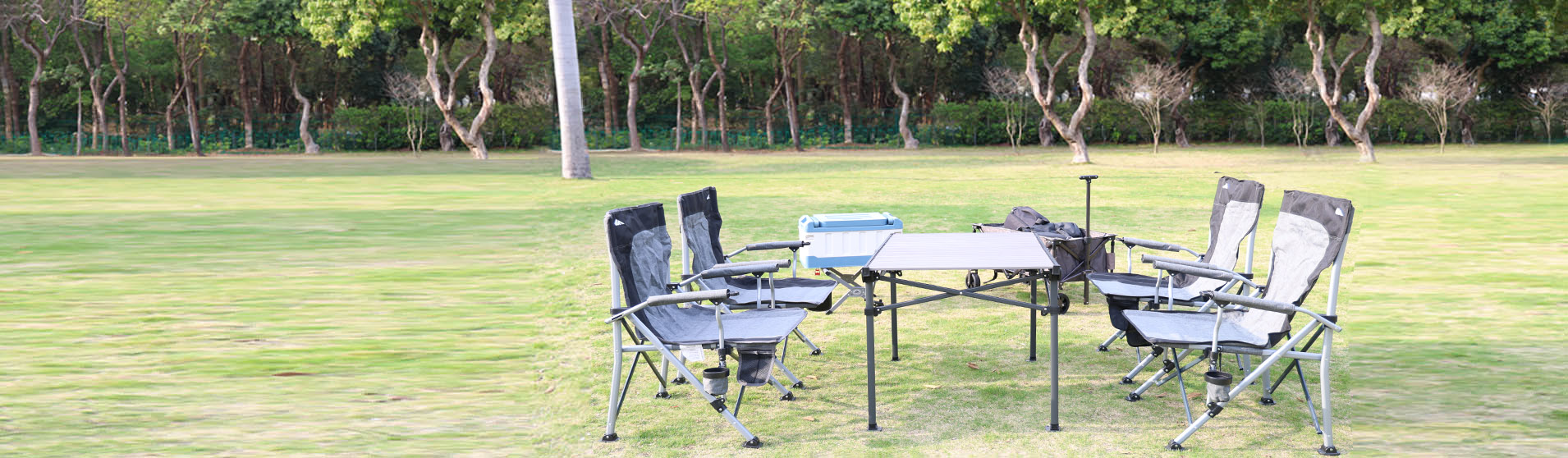
When it comes to manufacturing outdoor camping equipment, durability is not just a feature—it is a promise. For businesses operating in the wholesale camping gear market, that promise hinges on material selection. Whether it’s a tent meant to withstand mountain winds or a backpack designed for rugged trails, the fabric acts as the first line of defense against the elements. Among the myriad of textiles available, one material has consistently risen to the top as the benchmark for reliability: 600D Oxford Fabric.
For B2B buyers, sourcing materials that balance cost-effectiveness with uncompromising performance is a constant challenge. 600D Oxford Fabric has become the gold standard because it solves the core equation of outdoor camping gear: how to create products that are lightweight enough for transport yet tough enough for years of abuse. Here is why this specific textile dominates the supply chains of leading outdoor brands.
To understand its superiority, we must first look at the construction. The "600D" refers to the denier—a unit of measurement that indicates the fiber thickness. A 600 denier yarn is thick enough to provide substantial abrasion resistance but remains flexible enough to prevent the fabric from feeling like stiff canvas. The "Oxford" weave, characterized by a basket-like pattern of crisscrossing threads, adds structural integrity. This combination creates a fabric that is exceptionally resistant to scuffs, dragging, and the general wear-and-tear that defines outdoor equipment.
For manufacturers sourcing wholesale camping gear, this translates to fewer warranty claims and higher customer satisfaction. End-users may not know the technical specifications, but they immediately recognize the difference between a camping chair that frays after one season and one that looks new after years of use.
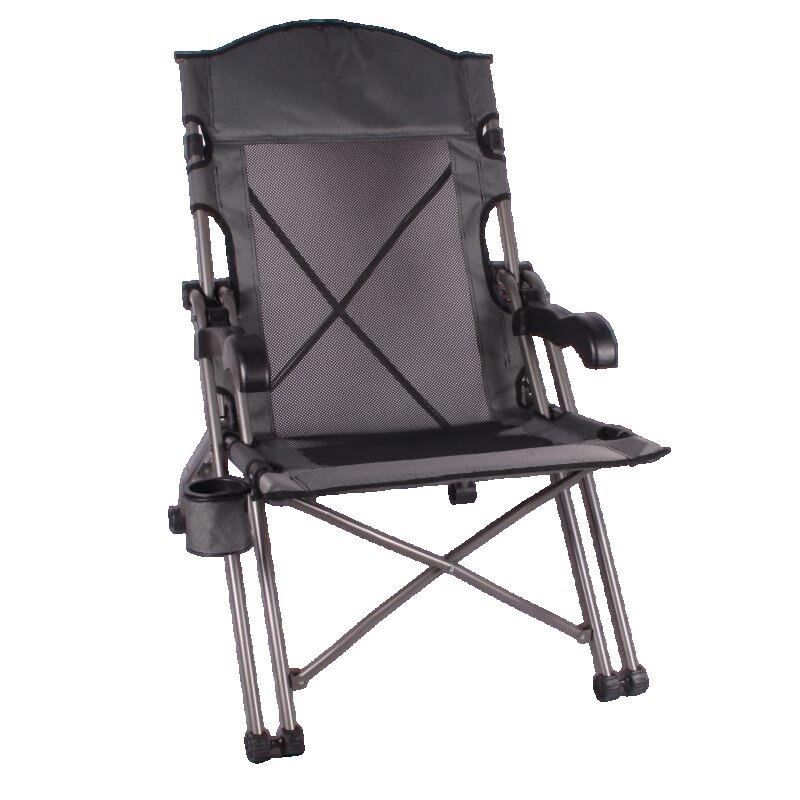
One of the most critical metrics in fabric engineering is tear-strength. In the outdoor industry, a single rip can compromise an entire expedition. 600D Oxford Fabric excels in this area due to its balanced weave and denier weight. Unlike lower-denier materials (such as 210D or 300D) that can split easily under tension, 600D offers a threshold where the fabric resists propagation of tears.
This is particularly vital for structural gear. Consider a camping tent during a windstorm: the fabric is under constant tension at the seams and stress points. If the material lacks tear-strength, a small puncture from a branch can expand into a catastrophic failure. With 600D Oxford, the fabric’s high tensile strength ensures that even if the surface is compromised, the structural integrity remains intact long enough for the user to address the issue or complete their journey.
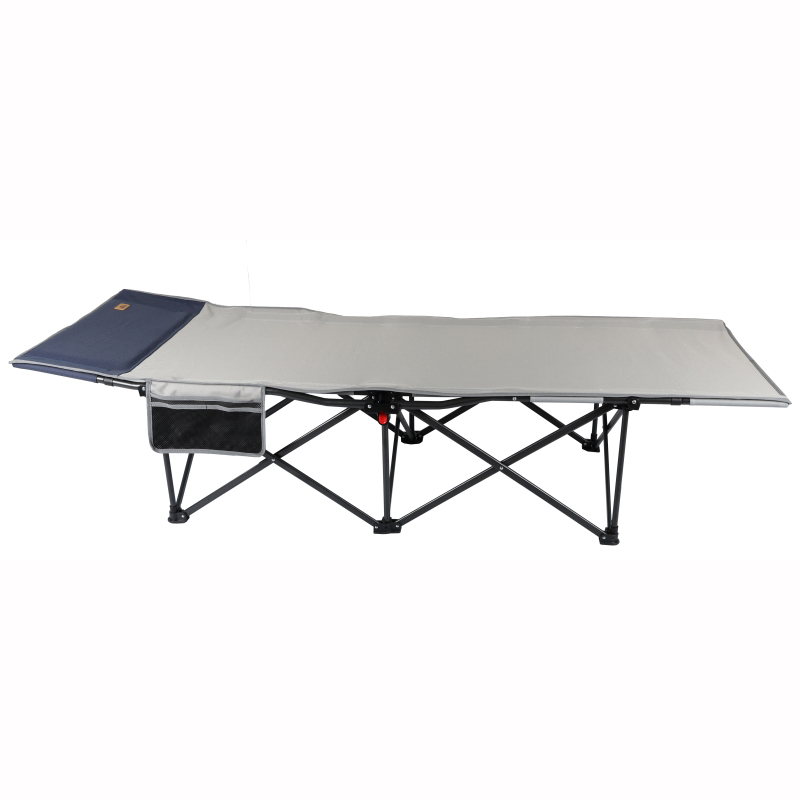
While mechanical strength is essential, environmental degradation is the silent killer of outdoor camping gear. Ultraviolet radiation from the sun breaks down polymer chains in synthetic fabrics, leading to fading, brittleness, and eventual crumbling. This is where the chemical engineering of premium 600D Oxford Fabric sets it apart.
High-quality 600D Oxford is treated as a UV-resistant fabric. This treatment is crucial for B2B suppliers because outdoor gear lives in the sun. Tents are pitched in open fields; backpacks rest on truck beds during summer road trips; awnings are exposed to sunlight for months at a time.
Standard fabrics without UV stabilization may last only one season before their fibers weaken. However, a true UV-resistant fabric like treated 600D Oxford maintains its colorfastness and tensile integrity even after prolonged sun exposure. For businesses selling to campsites, military applications, or event management companies, this longevity justifies the initial investment. It transforms a product from a disposable item into a capital asset.
For suppliers dealing in wholesale camping gear, inventory efficiency is key. Stocking a single fabric type that serves multiple product categories reduces complexity and cost. 600D Oxford is uniquely versatile. It is the material of choice for:
This multi-application capability allows B2B buyers to negotiate better volume pricing. Whether a client needs 10,000 meters for tent production or 5,000 units for camping chair manufacturing, the supply chain for 600D Oxford is mature and reliable, ensuring consistent quality across batches.
In the B2B landscape, the "gold standard" isn’t just about performance; it’s about total cost of ownership. Cheaper fabrics like polyester taffeta or low-denier nylon may have a lower upfront cost, but they lead to higher rates of return, customer service issues, and brand erosion.
600D Oxford Fabric sits in the sweet spot of the price-to-performance curve. It offers premium features—specifically high tear-strength and UV-resistant fabric properties—without the exponential cost hike seen in specialized technical fabrics like Cordura or Dyneema. For brands targeting the mid-to-high tier market, using 600D Oxford signals quality without pricing the end-consumer out of the market.
Furthermore, sustainability is becoming a deciding factor in procurement. Because 600D Oxford is so durable, it extends the lifecycle of outdoor products, aligning with the growing consumer demand for gear that doesn’t end up in a landfill after a few uses. B2B buyers can market this durability as a sustainable choice, reducing waste through superior craftsmanship.
In the competitive world of outdoor gear manufacturing, cutting corners on materials is a gamble that rarely pays off. For businesses focused on wholesale camping gear, the choice of fabric defines the brand’s reputation. 600D Oxford Fabric has earned its status as the B2B gold standard by delivering a triad of non-negotiable qualities: exceptional tear-strength to withstand rugged use, advanced UV-resistant fabric technology to fight sun damage, and versatile construction that suits a vast array of camping products.
By standardizing on 600D Oxford, suppliers can streamline their operations, reduce after-sales risks, and offer end-users the reliability they expect when venturing into the outdoors. In an industry where performance is the only currency that matters, 600D Oxford remains the safest, smartest investment a business can make.
Looking for outdoor gear manufacturing solutions? Contact hcfoutdoor today to discuss your custom outdoor camping chairs, cots and tables needs.

Professional Manufacturer of Outdoor Camping Furniture Since 2011


Leave a Message